Need More
Information?
Information?

April 3, 2026
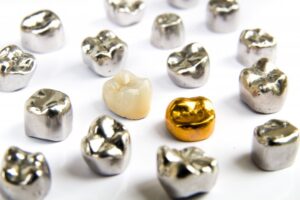
Getting a dental crown is a common procedure used to restore and protect damaged teeth. Crowns can improve both the strength and appearance of a tooth after decay, fractures, or root canal treatment. While the procedure itself is routine, it’s normal to experience a short recovery period afterward. Knowing what to expect can help you heal comfortably and protect your new crown.
After your appointment, you may notice numbness in your mouth for a few hours due to local anesthesia. Once the numbness wears off, mild soreness or sensitivity is common, especially around the treated tooth and gums.
Some people experience temporary sensitivity to hot or cold foods, particularly if the tooth still contains a living nerve. This discomfort usually improves within a few days to a couple of weeks.
If you received a temporary crown before your permanent one is placed, extra care is important to avoid loosening or damaging it.
It’s best to wait until the numbness fully wears off before eating to avoid accidentally biting your tongue or cheek.
For the first day or two, softer foods are often the most comfortable choice. Try to avoid:
Chewing on the opposite side of your mouth may also help reduce irritation while you adjust to the crown.
Keeping the area clean is essential for healing and long-term success. Continue brushing and flossing gently around the crown.
Good oral hygiene helps prevent complications like gum disease and decay around the crown margins.
If flossing around a temporary crown, slide the floss out carefully instead of pulling upward to avoid dislodging it.
Your bite may feel slightly different at first as your mouth adjusts to the new restoration. However, the crown should not feel painfully high or interfere with normal chewing.
If you notice persistent discomfort, difficulty biting, or pressure when chewing, contact your dentist. A simple adjustment may be needed to improve the fit.
Ignoring bite problems can lead to jaw discomfort or excessive wear on the crown over time.
While mild discomfort is normal, certain symptoms should be evaluated promptly, including:
These issues could indicate complications such as infection or problems with the crown fit.
Recovering from a dental crown procedure is usually straightforward, with most people returning to normal activities quickly. Mild sensitivity and soreness are common but typically temporary. By following your dentist’s instructions, practicing good oral hygiene, and avoiding foods that may damage the crown, you can help ensure a smooth recovery and long-lasting results.
Do you have a badly damaged or decayed tooth that needs repairing? Here at Real Dental, our dental crowns are custom-made to look natural and last long. We can save your tooth from having to be extracted with fast, precise, and comfortable digital dentistry. Be a better friend to yourself and take care of that troublesome tooth! Book online or call our Grand Prairie office at (817) 406-7239.